
Skydance Owns the Pipeline. What Happens to the People?
Ownership is concentrating across entertainment, agencies and platforms. Here is what creative professionals should watch next.
Read More
Ownership is concentrating across entertainment, agencies and platforms. Here is what creative professionals should watch next.
Read More
Advertising Week New York ran October 5 to 8 in Manhattan's Penn District, bringing agencies, brands, media companies, creators and platforms together across marketing, commerce, culture, AI and audience engagement.
Read More
Business Insider reported that iOS 27 and WebKit changes blocked advertising identifiers and, in some cases, ad-serving calls from several adtech companies.
Read More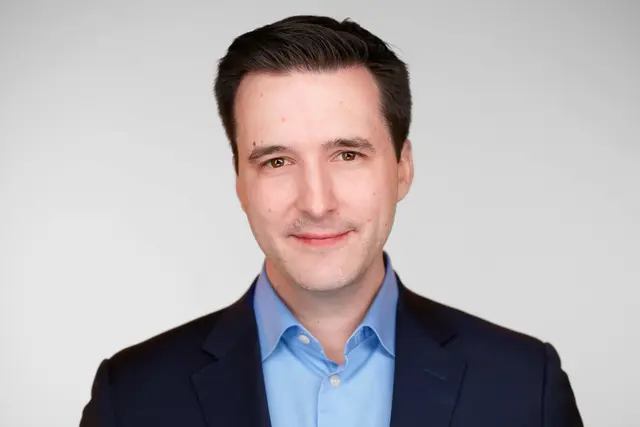
Turnbull, currently McCann Global CEO, is expected to join in early 2027 in a role WPP says will connect its creative agencies more tightly with media, data, production, commerce and technology.
Read More
The 80-person independent media agency, with teams in New York and Dallas, adds U.S. retail, beauty, consumer-goods and grocery media capability to MSQ.
Read More
The first work is expected this fall after a competitive pitch.
Read More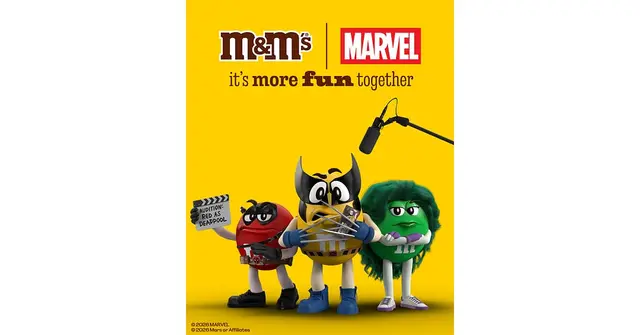
Mars and Marvel launched seven limited-edition packages recasting M&M'S characters as Marvel heroes, with a Walmart-exclusive Doctor Doom pack and a comic limited to 10,000 copies.
Read More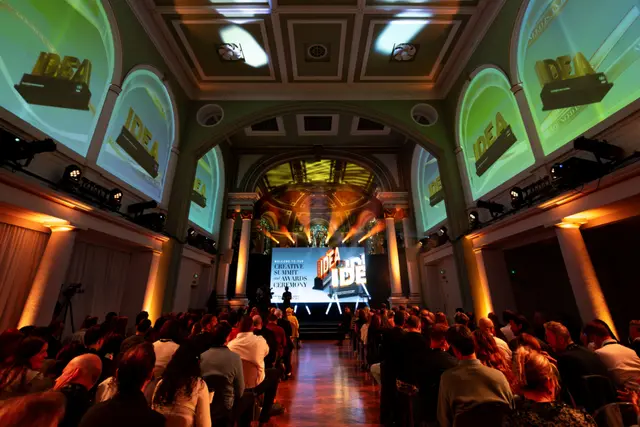
Concepts for Lloyds Bank and Fertility Action took the top awards in Ocean Outdoor's 2026 Digital Creative Competition.
Read MoreYouTube plans to expand its shopping affiliate program to 35 countries by year-end, add localized offers and strengthen detection for creators' speaking voices and faces.
Read More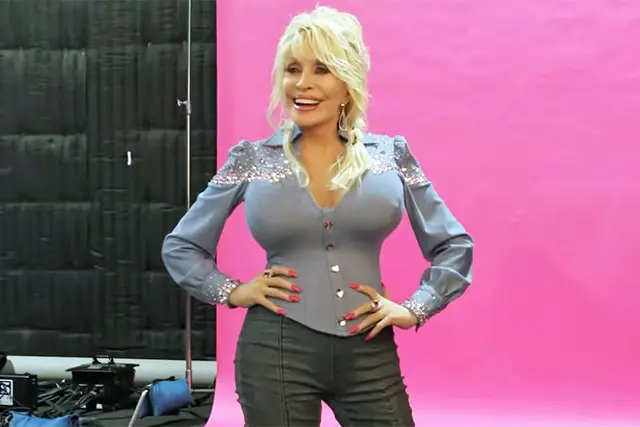
Collaborators on her Broadway musical said Parton remained closely involved and wanted the production to continue; Dolly: An Original Musical is scheduled to open January 19, 2027.
Read More
On October 6, Figma published workflows showing its generally available agent handling library updates, first-draft specs, critique support and repetitive design-system work.
Read More
The $1.5B promise clears a major hurdle, creators get new commerce tools, and 15 verified jobs are open now.
Read More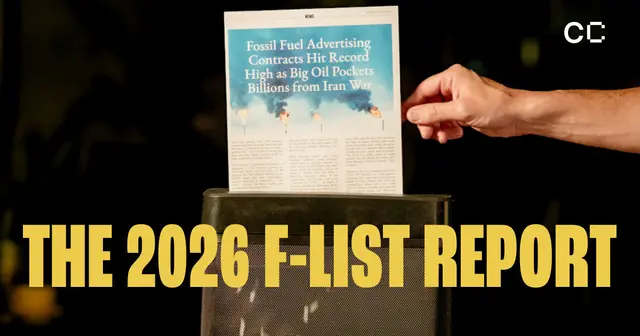
Clean Creatives’ 2026 F-List says it identified a record 1,321 contracts involving 802 agencies and 386 fossil fuel clients across 73 countries.
Read More
At Made on YouTube, the company announced expanded brand-partnership and shopping tools, and says its affiliate program now includes more than 1.3 million creators.
Read More
Adobe released Premiere mobile for Android on September 22. The core app is free, supports multitrack editing and needs Android 13 or later with at least 5 GB of RAM.
Read More
Dave and Buster’s appointed GUT Toronto as creative agency of record and Mediaplus as media agency of record after a review. The assignments begin October 1.
Read More
Nestlé appointed WPP to design and operate an end-to-end content model across its brands in Greater China, working alongside existing creative and media partners.
Read More
COMvergence’s first-half 2026 barometer put Publicis Media first at $3.24 billion, ahead of Omnicom Media and WPP Media — but the definitions behind the numbers differ.
Read MoreTCA, part of Omnicom Media, was named media agency of record for Accredited Debt Relief in the client’s first AOR relationship.
Read More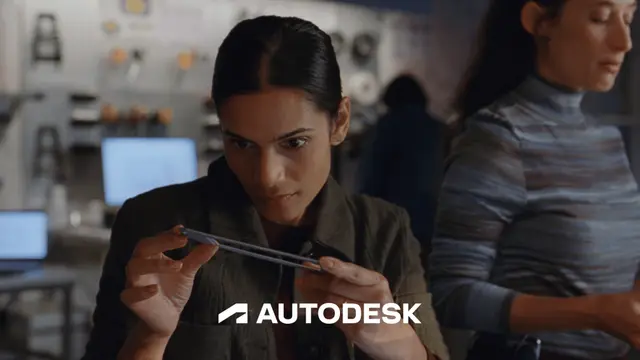
Autodesk’s new brand platform, “The World Is Yours for the Making,” was developed with Giant Spoon and centers the people who decide what to build with creative tools.
Read MoreFor more professional opportunities join our newsletter.