
“YouTube is not a social-media site,” a spokesman for the video platform’s parent company said last month after it lost a major trial focused on social-media addiction.
It’s also not quite TV, its executives say.
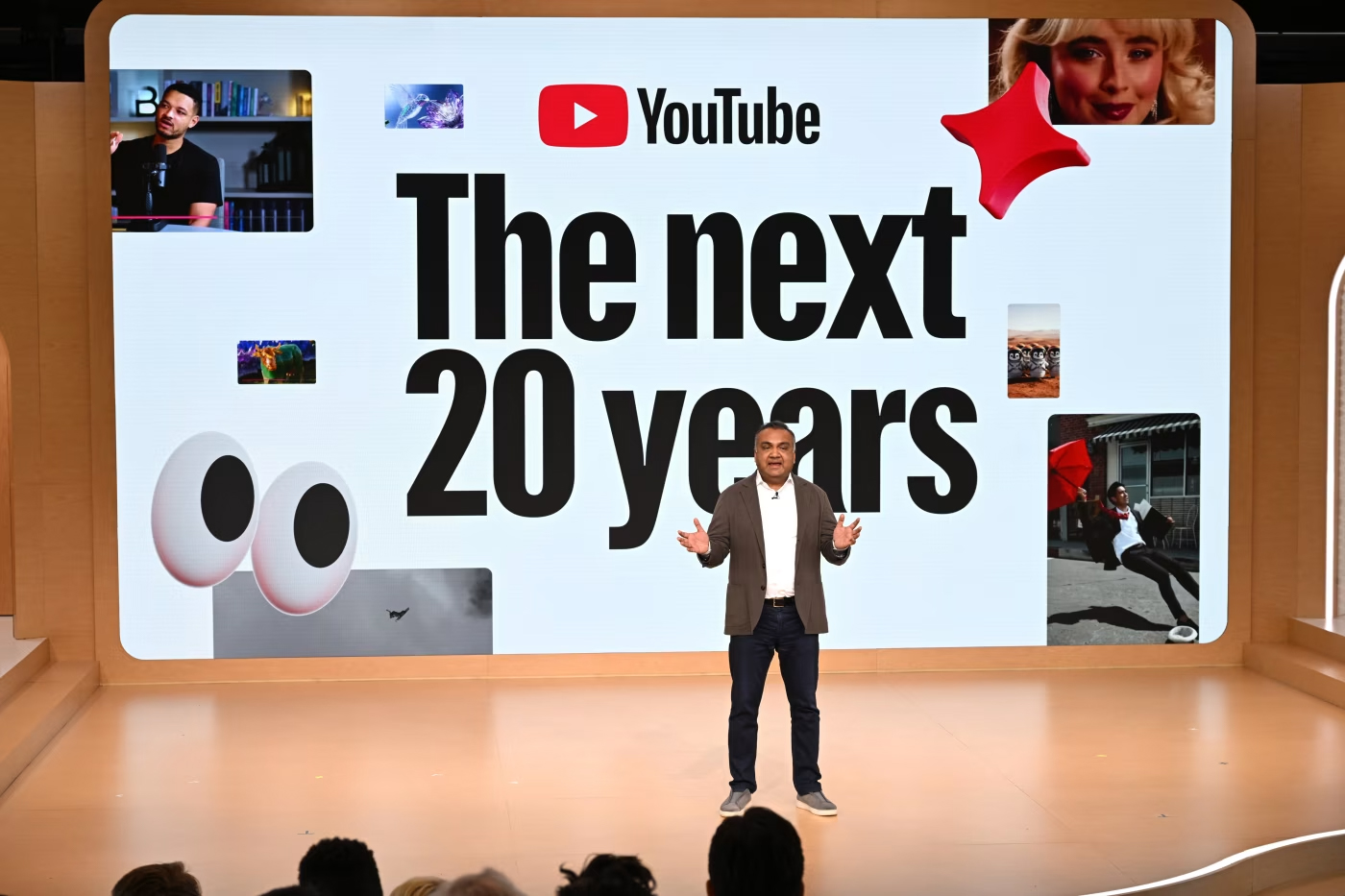
It is, however, a great place for ad dollars redirected from social media, television and more, according to the many YouTube executives and creators who will take the stage at its big upfront sales event on Wednesday.
“We think TV budgets could be spent on YouTube. We think quote-unquote ‘social budgets’ could be spent on YouTube,” said Sean Downey, president, Americas and global partners at YouTube parent Google. “We think ‘discovery’ budgets could be spent on YouTube. We think performance budgets could be spent on YouTube.”
YouTube for many years has competed for TV ad dollars with inventory served in and around videos posted by legions of amateur and semi-pro content creators around the world. Now the creator economy that it played a large role in building has also spawned rival ad businesses on platforms like TikTok and Meta Platforms’ Instagram. And brands and creators can post sponsored videos without necessarily paying platforms for ad inventory.
The streaming colossus’s ad presentation this year will include a number of new AI offerings as well as products such as YouTube Shorts, its vertical videos in the style of TikTok, and “creator partnerships,” where brands turn clips of a video creator’s material into ads and pay YouTube to amplify. One example is Coach’s recent campaign with creator Haley Pham.
YouTube has also been working more closely with creators to develop calendars of upcoming content, like Kareem Rahma’s “Subway Takes” series, so it can sell packages of ad products around themed programming from top names, much as TV networks are promoting their upcoming shows and big stars this week at their annual ad presentations.
YouTube has approached sports events in a similar way by tying packages of sports-adjacent creator content, from Shorts to video podcasts, to an upcoming game or tournament that’s of interest to advertisers, along with standard ad formats.
“That will be a big part of our behind-the-scenes discussions with advertisers,” said Downey. “We’re bundling anything on YouTube that works for them.”
The company will further press its one-platform-fits-all strategy with a new AI tool that it says will custom-build ad inventory based around cultural events that interest advertisers but aren’t on YouTube’s calendar. If a marketer wants to reach people interested in a tour by pop star Olivia Rodrigo, for example, YouTube’s AI can help identify content in proximity to the concerts that matches the brand’s needs, according to a YouTube spokeswoman.
The tool will be exclusive to upfront buyers, the spokeswoman said.
Focusing on products like creator partnership ads and Shorts makes sense in supporting Google’s goal of taking market share from Meta and TikTok, but doesn’t address the most pressing concerns of marketers who want more basic guidance about using YouTube as a springboard to reach larger audiences and ensure returns on their investments, said Nitin Sinha, head of media planning at ad agency Noble People.
“At the highest level, they just know that the more people they get onto that, the more revenue it ultimately is for Google,” Sinha said of YouTube’s AI tools and new products. “In an ideal world it would have been nice to just have a return to fundamentals.”
YouTube may also find itself in a sort of uncanny valley with buyers as elements of its business increasingly resemble traditional media but remain different in key ways.
The platform has invested heavily in sports and other live events, buying the rights to National Football League games for its YouTube TV service and signing a five-year deal to carry the Oscars starting in 2029, but it has no specific strategy regarding live content as opposed to the on-demand material that accounts for the vast majority of its videos, according to Downey. Nor does the company intend to move into production or develop higher-budget content like TV networks do, he said. And Google doesn’t operate a dedicated sales team for YouTube, despite the differences between advertising on Shorts and in Google search results, for example.
All that presents a challenge for advertisers that would like it to be a little more like the legacy media sellers that originated the TV upfronts decades ago, according to Jamie Gutfreund, founder of consulting firm Creator Vision.
“What doesn’t exist in an easily accessed way is that layer of premium inventory,” Gutfreund said. “If you step back, there is not yet any HBO or ESPN built on YouTube,” she said.
The responsibility increasingly lies with creators like MrBeast and podcaster Alex Cooper of “Call Her Daddy” fame, many of whom are attempting to build full-fledged media companies complete with their own sets of advertisers and sales teams.
Jimmy Donaldson, the creator known as MrBeast, on Tuesday held an upfront-week event for advertisers that emphasized not only his main YouTube channel but the Amazon Prime Video show “Beast Games” and his company’s platform to connect brands with creators.
YouTube will inevitably offer an impressive lineup of big-name creators and creative projects to upfront attendees. But most of its business still happens far from that stage, according to Downey.
“They’re most familiar historically with doing some of the upfront TV-type buying, and we certainly put that spike in front of them,” he said. “But for the majority of our advertisers, they’re still running through the auction on our AI-powered formats.”