
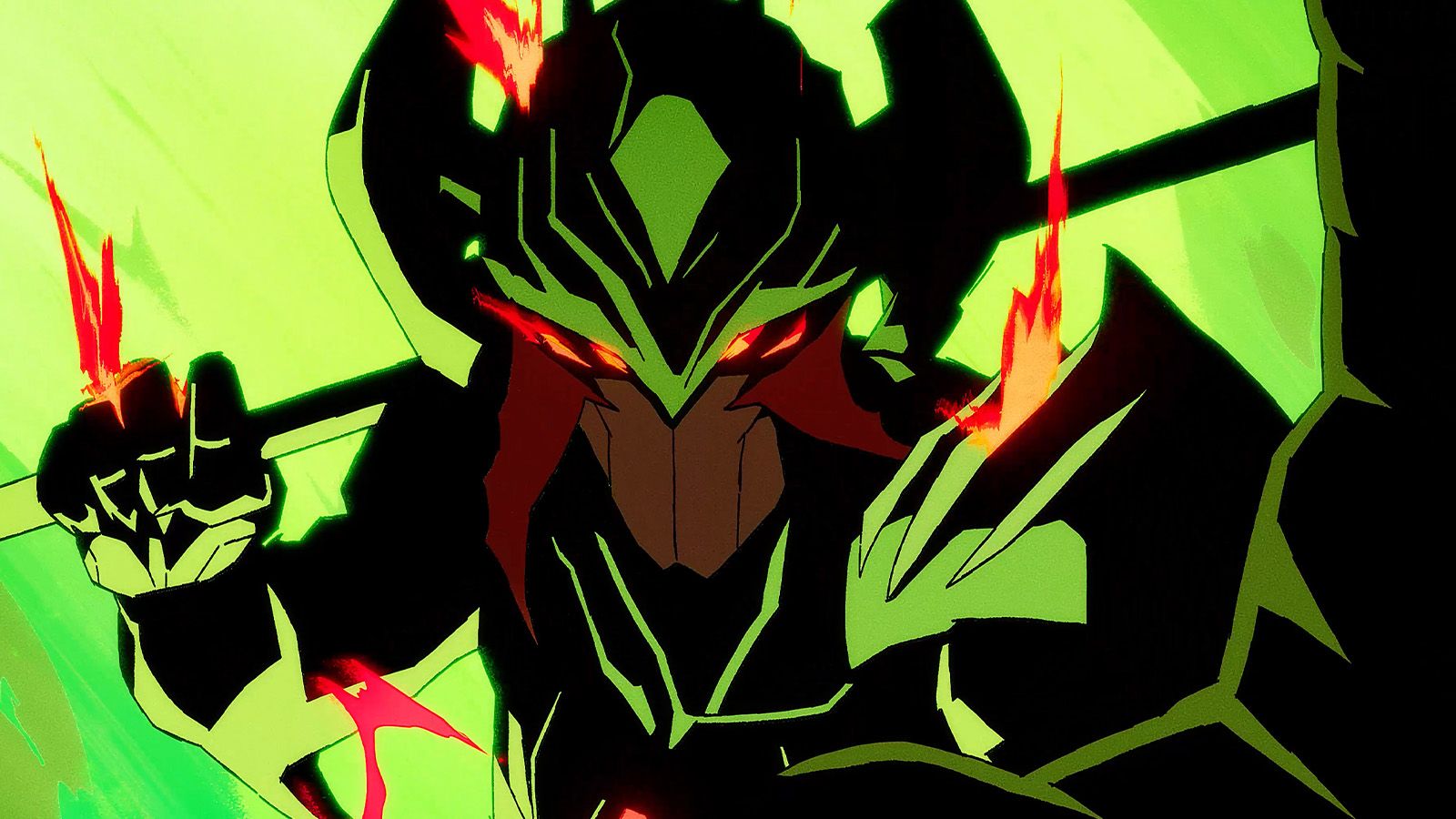
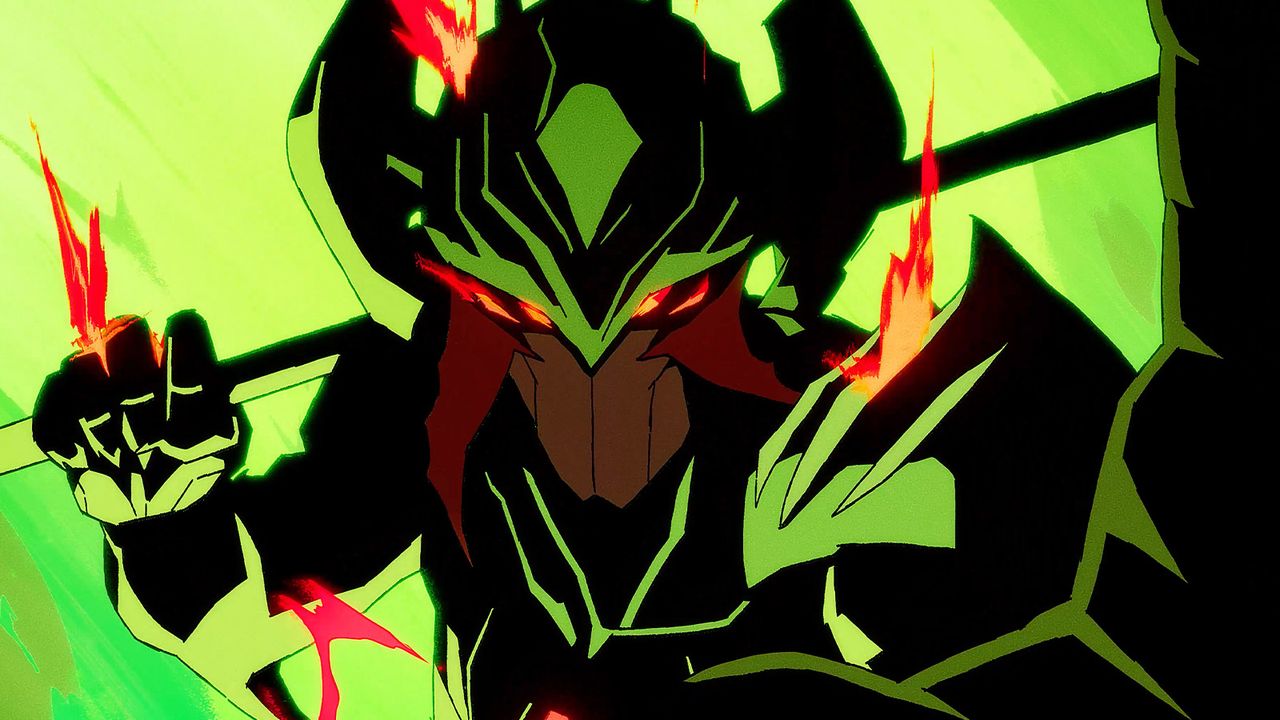
The creative connective tissue between animation studio THE LINE (last seen impressing us with its Gorillaz animation) and Warframe game developer Digital Extremes is a shared desire to take risks, flex creativity, and remain authentic to art and voice. Jade Shadows: Constellations, the new animated short designed to introduce players to Warframe’s next big update, just as the team did with Warframe 1999’s The Hex, does exactly that, and it’s quite unexpected in the best way possible.
In fact, there’s a version of this animation where it’s just another game trailer; a major release dropped with a big cinematic, a few lore breadcrumbs teased, and something for fans to freeze-frame and argue about on Reddit for a week or two.
You may like
How this Warframe animation started
After you’ve watched Jade Shadows: Constellations (and watched it again and again), the strangest part is how it started, which is not how these kinds of game reveals usually begin at all.
“Music tells a lot about how a film is going to feel, but also how it’s going to look,” Karnas says, talking about the first time they heard the track from ERRA. “And when I saw it, I was like, ‘Oh, if I close my eyes, the music is very textured, very gritty, very intense’. So I’m gonna emulate that visually.”
Usually, it’s the other way around. You build the film, then you score it. Here, the song came first, defining much of the feel, the pacing, and those punchy cuts that give Jade Shadows: Constellations its intensity. Ford explains that on a previous project, the music had been more of a placeholder, but this time it stuck. “We said, this song is going to be perfect for the mood we’re going for. Let’s just keep it and work with it.”
(Image credit: Digital Extremes / THE LINE)
From that point on, everything starts to skew. The pacing, the structure, the way shots cut against each other – it all begins to orbit the music instead of the other way around. Karnas describes wanting the visuals to actively respond to it. “You can definitely feel that this film, visually, is responding to what’s happening in the audio.”
Which is probably why it ends up feeling glitchy, a little nostalgic for 2000s animation, anime, and music, and instinctive in its references. Interestingly, both Ford and Karnas trace that feeling back to roughly the same place: the early 2000s, when bedroom-editing setups, anime clips, and libraries of heavy, emotional tracks collided. “I used to make my own Dragon Ball Z music videos […] I used to sit on my PC with Windows Movie Maker and make Linkin Park and Dragon Ball Z videos,” Ford says. “And my friends and I would share them […] it was like a social currency in my friend group.”
Karnas had the same background, just from the other side. “I watched hundreds of AMVs (Anime Music Videos) while working on this project. I was just like, imbuing myself with that type of energy.”
(Image credit: Digital Extremes / THE LINE)
Not just anime influence
That’s the thing that clicks into place once they start talking about it properly. This isn’t just anime as an influence, or even music videos as a format; it’s that very specific, slightly chaotic way fans used to mash the two together, chasing feeling over structure. You can see it in the way the short moves. It doesn’t unfold neatly but instead surges. Cuts come early, or late, or slam into each other with glitchy transitions. There are moments where the image itself starts to fracture, visualisers bleeding into painted frames, everything getting noisier and more intense as it goes.
What to read next
That wasn’t easy to pull off. Animation pipelines, by their nature, aren’t built for that kind of looseness; they’re methodical and laborious. Music videos aren’t. They’re reactive, layered, constantly shifting, seeking a rhythm. Bringing those two together meant introducing new tools and approaches. “We went quite far into it where we worked with a TouchDesigner artist who made those visualizers that you see throughout the film,” Karnas says. TouchDesigner, a tool that generates visuals that react to music, enabled the animation team to sync audio and visual beats in a more fluid, handcrafted way. “This was the first time that I used it in a production. But even from the get-go, I was like, it just makes sense.”
It all builds towards a distinct sense of progression, as Karnas explains: “I think what I’m most proud of in this film is the sense of progression, not just narratively, but also in terms of intensity and visual identity. It always finds a way to surprise you and take you in places you didn’t necessarily expect.”
(Image credit: Digital Extremes / THE LINE)
From the outside, this might still sound like a familiar kind of collaboration, a developer working with an external animation studio, but both Ford and Karnas are quick to stress that isn’t really how this project worked. “It’s not like a licensing agreement where they take Warframe,” Ford says. “Every week we [had] an hour call to go over the review process, but also any story developments or things that are interesting.”
That level of involvement goes both ways, as Jade Shadows: Constellations isn’t just reflecting the game’s direction; it’s also shaping it. “The direction of the update is taking is firmly a result of this piece,” Ford says. “It’s not like we’re done the update when we show this trailer, it’s like, okay, this trailer is our now, our bar.”
That also makes it an unusual way to introduce new content. This isn’t a simple setup-and-payoff trailer with everything ready behind it. THE LINE’s Jade Shadows: Constellations effectively leads the way, setting a tone, feel, and level of ambition for what follows. Ford describes the short as adding something “new to the tapestry of Warframe”.
(Image credit: Digital Extremes / THE LINE)
A distinct Y2K energy
That tapestry carries a distinctly 2000s energy, packed with anime references, Dragon Ball nods, and heavy, rhythmic riffs. And yet, for all of that, Karnas doesn’t frame it as deliberate nostalgia. “I always tap into my nostalgia […] it just happens kind of naturally,” they say. “It’s not something that I […] want to be exactly like the ‘90s or something like that.”
Those influences are simply part of the foundation behind the animation and the team making it, something that feels like it’s grown out of that era rather than trying to recreate it. If there’s a thread that runs through everything Ford and Karnas say, it’s that none of this came from a particularly safe place. “You have to bear it all and put everything about you into what you’re making, or it starts to feel sanitised,” Ford says.
She adds, “It had to be an ERRA track. It had to be that ERRA track, specifically,” describing the moment the project clicked in similarly instinctive terms to Karnas: hearing the track, picturing the characters, then committing to it fully, with the music leading.
From there, it becomes a process of trust between teams, collaborators, and the idea itself. Warframe has been able to take risks and do things like Jade Shadows: Constellations because, “It doesn’t come out of a boardroom,” Ford says. When asked how Warframe continues to evolve the way it does: “It comes out of a sleepless night where I text my partner in crime […] to make sure that you should take the risk, and we always do.”
(Image credit: Digital Extremes / THE LINE)
That same energy runs through Jade Shadows: Constellations. You can feel it in the way it moves, in how it refuses to settle, and in how it leans into its influences without trying to tidy them up. This isn’t the usual piece of game promotion; it feels more personal, more like a creative statement in its own right, one that blurs the line between fan culture and official canon.
Or maybe it’s simpler than that. Digital Extremes worked with THE LINE to make something they genuinely wanted to make, and didn’t stop themselves, which is exactly why Warframe continues to resonate so strongly with its players.
Visit the Jade Shadows: Constellations for more details.