
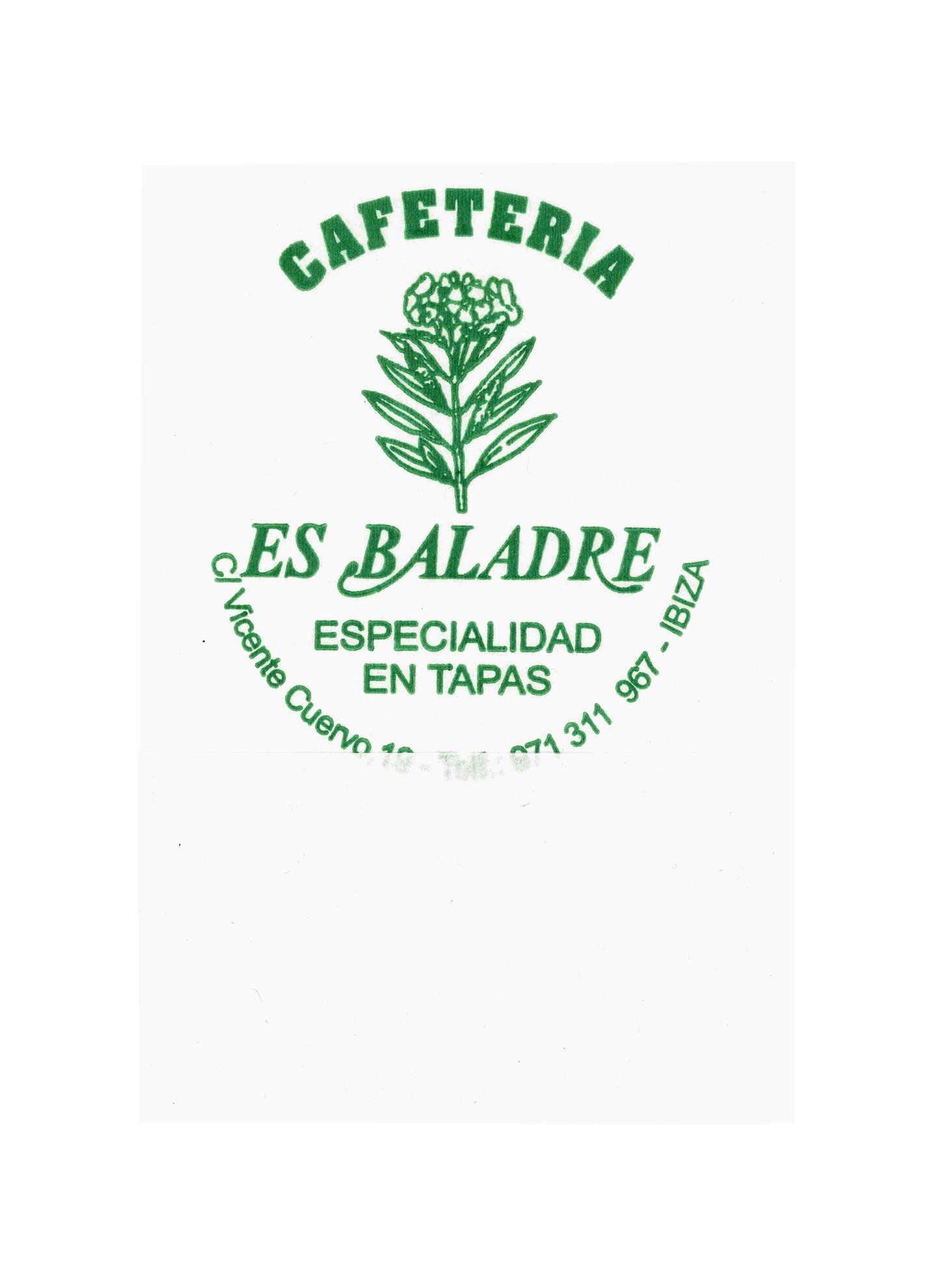
While the flimsiness and crisp white nature of the napkins might seem like a cause for trouble when storing, Felipe says it’s actually a pretty easy task – they’re small and thin so don’t take up much space. He stores each one in a number of shoeboxes, divided up and ordered by region. This division by place is important, as each box now provides a localised window into the vastness of the country’s foodie landscape and the independent businesses keeping it alive. “I think the napkins we have here say a lot about our cuisine and therefore about our culture,” says Felipe. “In the end, they reflect how diverse our country is.”
But for Felipe, these napkins go beyond culinary associations – they’re mementoes, memories immortalised in tissue. “Something that I think resonates with people is that each napkin holds hundreds of people’s stories,” he says, “the ice cream shop of someone’s childhood, the bar they went to with friends, the restaurant where they ate with their family.”
The moment Felipe started accumulating the napkins ten years ago, he knew the perfect format to show them in all their glory was a book, and, of course, “the book is the best format for the collection to endure over time”, says Felipe. Published by Ojos de Buey, the pocket-sized publication mimics its subject matter in more ways than one; it’s printed to around the size of a napkin, and its royal cursive title (not too dissimilar from the typeface you’ll find on Madri’s Café Gijón napkin) sits atop a plain white background. Though it’s safe to say you won’t be using this beautiful little book to mop up spillages or get grease off your fingers.