
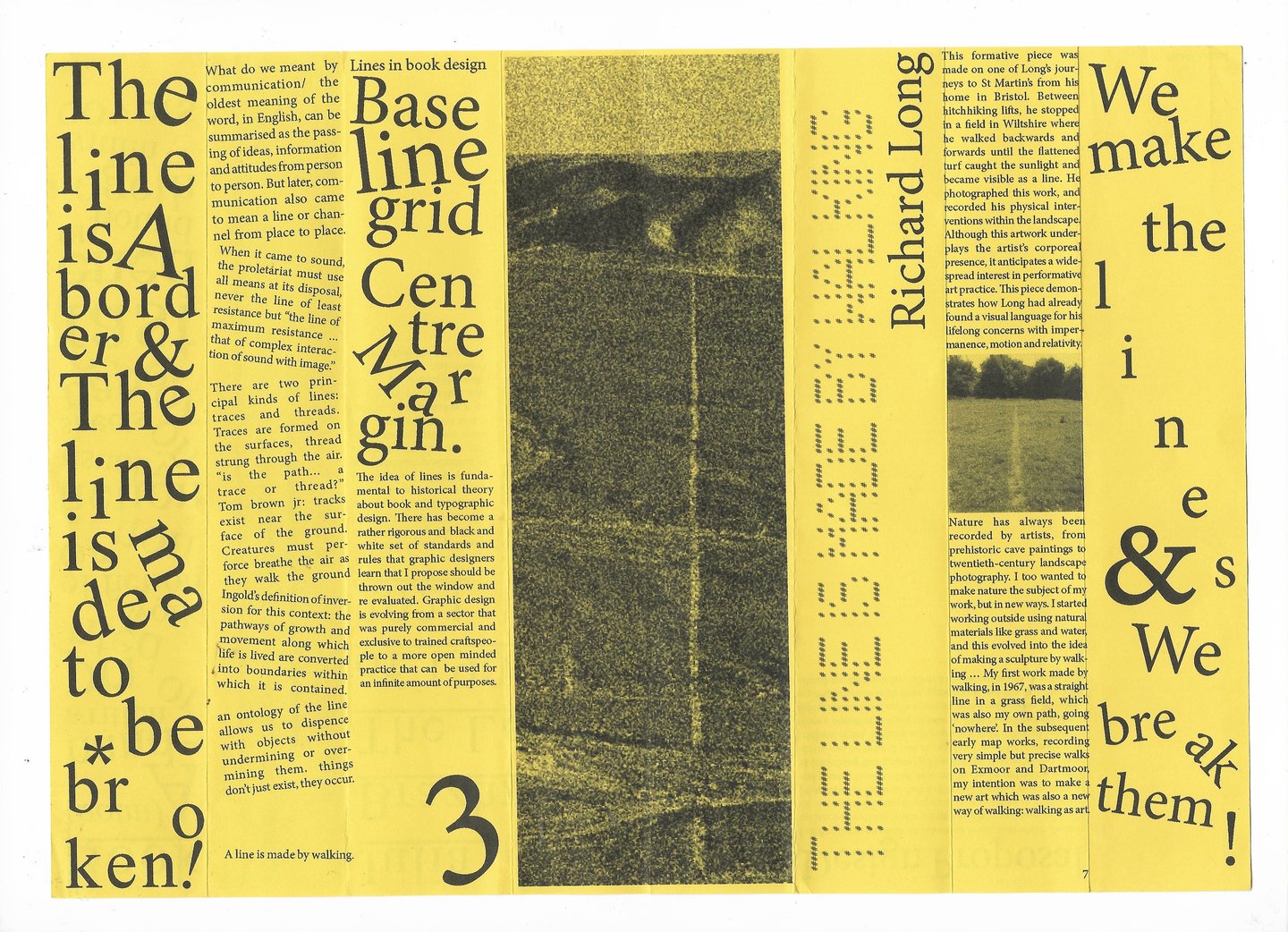
Looking at London-based graphic designer Eloise Aitken’s work, we’re reminded of all the fun and freedom of self-publishing – of cutting, pasting, scanning, reprinting and having complete agency over all corners of the page. The designer’s gloriously analogue approach often looks to archival material in order to publish essays, zines and books of her own on subjects like cyberfeminism, radical publishing practices, or even pigeons. Her print methods of choice for these publications switch between alternative techniques such as Risograph, and print runs on your everyday Xerox, but always with a deliberately lo-fi look.
“I’m heavily inspired by radical print design, particularly of the 70s after the birth of the Xerox,” the designer says, “such as Shrew and OZ Magazine as well as protest banners and zines. I love the fast-paced, imperfect, tactile feeling and I try to emulate this through physically editing my work.” While her hand-rendered processes such as collaging, scanning and collating make the most of the Xerox’s soft, low-resolution grain or the character of the debris and dust stuck to its platen glass, when you come to press ‘copy’, it’s not just about any one aesthetic for Eloise. “I’m passionate about the social implications this era had on graphic design and how the commercial printer made it accessible to create physical work quickly and economically,” she shares. For the designer, publication design is less about polish and more about passing on things to read, see, touch and share in vessels that feel like they have a bit more soul.
Much of the visual material Eloise transfers onto the printed page is found among collections of old printed matter, photography or in films. Seeing self-publishing as a way to distribute her own collections of references and research on topics such as the history and legacy of Xerox art in her book Loud Paper! Or Paul Soulellis’ syllabus on radical publishing in her book Urgent Craft!, Eloise brings images and text together in new and unexpected ways. Outside of her love of independent cinema and more undiscovered images, Eloise’ book making has also been shaped by designers who have been “fundamental” to her creative journey along the way – “such as EAKpress, David O’Mara and Yasseen Faik to name a few!”