
Why you can trust Creative Bloq
Our expert reviewers spend hours testing and comparing products and services so you can choose the best for you. Find out more about how we test.
One of the things that I love about audiophile headphones – other than the jaw-dropping listening experience – is the relatively low price for entry. For $200 and under you can get headphones that will radically alter your experience of listening to music. And recently, no one has backed this up better than Guangzhou, China-based brand Fiio.
Testing kit
All headphones and IEMs I review are played through a Chord Mojo 2 DAC/Amp (also a Fosi DS2 DAC/Amp dongle for IEMs). This ensures sufficient power delivery for peak performance, and all noise and distortion is reduced to a standardised clean, detailed signal. Music source: Spotify lossless.
Sound profile
(Image credit: Future)
Overall, the Fiio FT1 Pros offer a warm yet neutral sound that does a great job of juggling lower, mid and high frequencies. I can listen to these guys all day without the treble getting to me. However, they can be unforgiving when they come across a shonky mix (unlike some laid back profiles that will not overly show up mistakes, such as unwanted sounds, or an overly bright profile).
The bass is great – not in the overwhelming, boomy way that many commercial headphones are. Speaking of which, I compared the FT1 Pros to the stock sound of the Sony WH-1000XM6s, which I also have for review. The FT1 Pro bass sounds compact and fast in comparison. What does that mean? The bass starts and stops naturally (as it would in real life), no drowning out all other sounds and instruments around it, with one bloated note bleeding into the next – as the XM6s do. The bass is textured. It’s not an indeterminant blog of mass muddying up the place (sorry Sony).
The mids are a little elevated – they are given the limelight, brought forward while still remaining neutral and, thanks for the subtle bass and balanced treble, there’s plenty of detail on show. Saying that, some higher voices lack a little attack when compared to my current favourite balanced headphones, the HEDDphone D1s… but then I’m nitpicking, and the D1s cost three times the price of the FT1 Pro!
The treble is tastefully balanced, but after hours of using them, I did notice some song mixes coming across a little brighter than others. It’s never been to the point where I have to stop using them, but basically if there’s a brightly mixed song – such as Billy Jean – these headphones won’t hide that, as some more relaxed headphones will. And some people might find that annoying, or in the worse case fatiguing.
When a recording brings some warmth, as with Total Blue’s fretless bass-led Corsair, the FT1 Pro represents it well, still highlighting the higher peaks, but offering a fast bass and detailed mids. There’s plenty going on that I can observe… and when everything slots into place, as on Mark William Lewis’s Tomorrow is Perfect, the result can be remarkable. But with some EDM drum machines and colder productions, they are pretty unforgiving.
Separation and imaging is good, but not as good as some others at this price range, if many of the reviews and comparisons that I’ve read are to be believed (and they should, as there’s a lot of great audiophile content out there). The HiFiman Sundara are the other sub-$200 planar magnetic headphones that the FT1 Pros get compared to (though I currently haven’t used them), and they seem to win the separation and imaging battle.
Don’t get me wrong, instruments are never presented as one blob of sound with the FT1 Pros – I can distinguish each instrument and where they are positioned in the soundstage – but I’ve heard much better presentations (admittedly from more expensive headphones). If you’re coming from commercial cans though, it will still be a meaningful upgrade.
Comfort & build
(Image credit: Future)
The FT1 Pros are very comfortable, but not perfect.
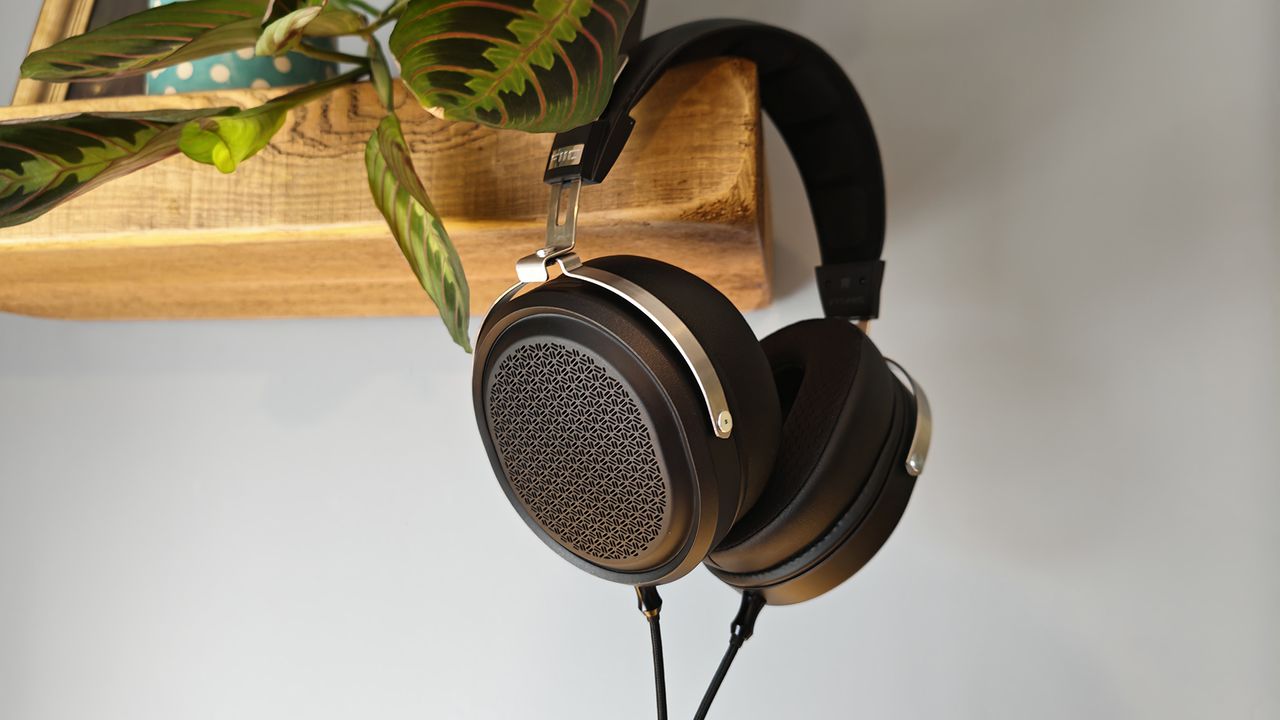
I’ve currently got 10 audiophile headphones, and six commercial Bluetooth headphones laying around my home office, and they all vary in weight, materials, and how long I can comfortably use them. The FT1 Pros are a pair that I ended up reaching for, using, and not taking off until I left my desk… they’re super comfy.
However, I have a grumble. The right earpad didn’t sit plush against my head like the left did, and that would mean there wasn’t a complete seal over that ear. Now, I realise that some audiophiles would say that would detrimentally affect how the frequency response came across. I didn’t actually notice anything that meaningful, but it was a little annoying.
I ended up extending the left headband slider out a couple notches more than the right, and for some reason it fit better (though never perfect). This, of course, might be specific to my head, and you might not experience it at all, but it’s worth mentioning.
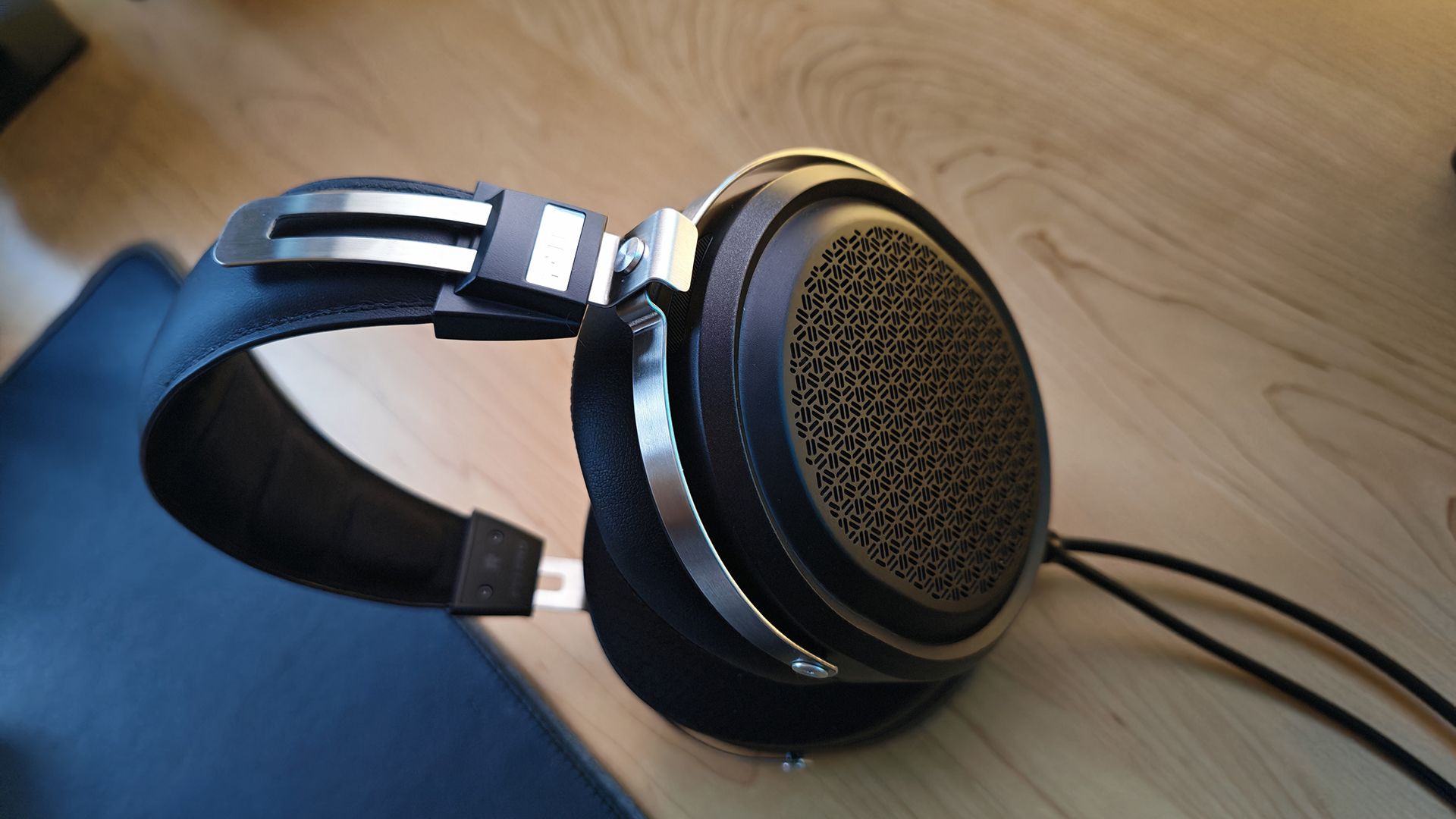
Elsewhere, the ear pads are really comfy and don’t heat up after hours of use. There’s a fabric/textile material used which touches the skin around your ears, and a faux leather around the side of the pads. The headband is pretty comfortable, though there are definitely more plush and comfortable options out there, and I’ve read some people find it too thin and suffer hotspots in the middle (I didn’t).
When it comes to the build, it feels a little budget… but then, it is! The money has been put into the frequency response and soft ear pads, so I don’t mind if it shows it’s seams a bit. For example, the thin, metal yoke connections look like they could easily be bent. Of course, if you take care of these, there’s no reason why they won’t last a long time, so maybe this is more of an aesthetic gripe than anything.
Planar driver and specs
(Image credit: Future)
There are two main driver technologies used in audiophile headphones – dynamic and planar magnetic drivers. The FT1 Pros use planar drivers.
What does that mean? Rather than using a voice coil attached to a diaphragm, planar drivers employ an ultra-thin film (in the FT1 Pro’s case, just 1 micron thick) suspended between magnets. This design offers several advantages: faster transient response, lower distortion, and superior bass control. Another characteristic of planar drivers is they are usually harder to drive, but the FT1 Pro has a party trick here. With just 20Ω impedance and 112dB sensitivity, these headphones are remarkably easy to drive; you won’t need an amplifier to get great sound.
Should you buy?
(Image credit: Future)
I think the FT1 Pro headphones are great, and they’d make a perfect introduction to the world of audiophile headphones. And that’s because they do more things well than not.
The thing with headphones is, there’s no objectively perfect pair, and really each option offers its own set of victories and compromises. Want bass? That might come at the expense of detailed, natural mids and treble. Want a completely neutral profile? That might not sound exciting or engaging. Want crystal clear detail up top? You may not be able to physically listen for too long without feeling like your ears have burnt out.
The FT1 Pro offers excellent, textured bass, a largely forward mid section, and a balanced high end. There is good detail to be had, and though some voices do take a back seat compared to the mid-centric HD600s of HEDD D1s, it’s a small price to pay for keeping things crisper.
I wouldn’t hesitate to recommend the Fiio FT1 Pros to first-timers and old ears alike.