
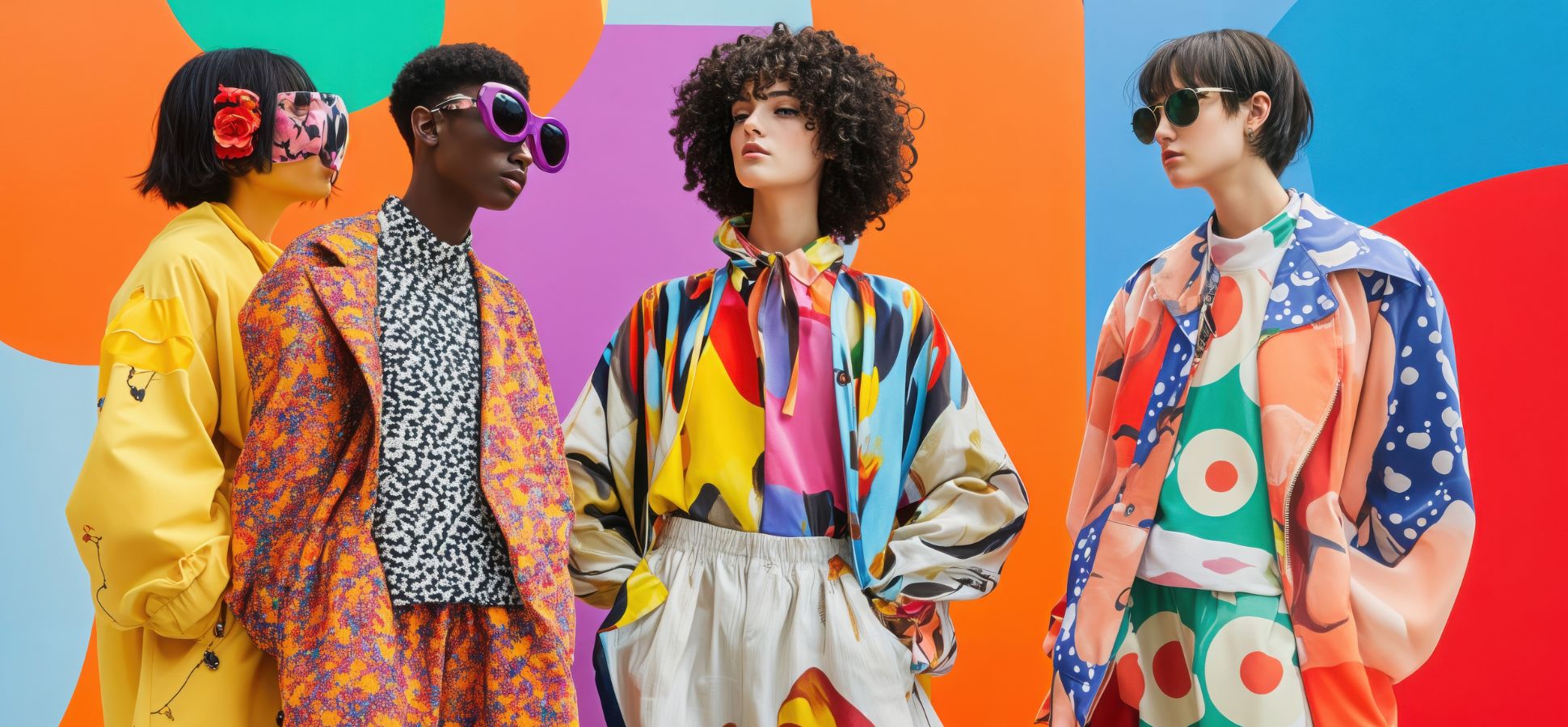
Fashion retailer H&M has announced plans to utilize artificial intelligence to create digital replicas of 30 models for use in marketing campaigns and social media. The company stated that these AI-generated twins will only be used with the explicit permission of the models involved. This initiative is part of H&M’s broader strategy to explore innovative ways to showcase fashion while maintaining its commitment to personal style and creative expression.
How AI Is Changing Fashion Marketing
AI-generated content is rapidly transforming the marketing landscape across industries. For fashion brands like H&M, the ability to create photorealistic digital models offers opportunities for faster, more cost-effective content production. According to H&M, the digital twins will initially appear in social media posts, clearly marked with watermarks to indicate their AI origin, in compliance with platform guidelines on Instagram and TikTok that require disclosure of AI-generated content.
Implications for Jobs and Creative Roles
The announcement has sparked concern among industry professionals about the potential impact on jobs traditionally associated with photoshoots, including models, photographers, stylists, and makeup artists. Critics argue that increased reliance on AI-generated imagery could reduce opportunities for creative professionals. Influencer Morgan Riddle described the move as “shameful,” highlighting fears about job displacement on set.
Protecting Model Rights and Compensation
H&M emphasized that models will retain rights over their digital likenesses and will be compensated for their use, following existing industry agreements. Paul W Fleming, general secretary of the UK trade union Equity, stressed the importance of fair pay and control over digital representations. He called for stronger legal protections and union agreements to safeguard workers’ rights as AI adoption accelerates in creative industries.
Industry Trends and Responses
- Other major fashion brands, including Hugo Boss and Levi Strauss & Co, have also experimented with generative AI for marketing images.
- Levi’s previously announced a trial of AI-generated model images to promote diversity but clarified it would not reduce live photoshoots after facing criticism.
- Some models see advantages in having AI twins, such as increased flexibility and reduced travel demands.
However, concerns persist about contract fairness and the risk of unauthorized use of personal likenesses. Fleming noted that some models are still being asked to sign contracts that limit their rights to ownership and fair compensation.
The Future of AI in Fashion Advertising
Generative AI technology enables the rapid creation of realistic images from simple text prompts, making it an attractive tool for brands seeking to meet the growing demand for digital content. While AI offers efficiency and creative possibilities, its adoption raises questions about the future of creative work, job security, and the ethical use of personal data. As H&M partners with Swedish tech firm Uncut to develop its AI models, the fashion industry will continue to navigate the balance between innovation and responsibility.