
At this year’s Cannes Lions ad festival, human creativity wrested the spotlight back from AI.
Conversations centered more on the effectiveness of AI versus the bold-but-vague prognostications that came out of last year’s event. They also touched on where AI hasn’t worked for marketers.
“People are a little more grounded,” PMG CEO George Popstefanov told me. “I’m hearing a lot more about, ‘it cannot do this,’ which is great.”
Over iced coffee at the Martinez Hotel, EY CMO John Rudaizky said AI often gives the illusion of accuracy and comprehensiveness. It’s why he’s not yet sold on using AI for things like synthetic testing in market research.
Havas released a study during Cannes that found 84% of brands suffer “indifference” from consumers. The research spanned more than 2,400 brands and included 1,000 consumer interviews.
“Indifference is a real issue,” Mark Sinnock, chief strategy officer of Havas’ creative group, told me. Creativity can create connection and desire for brands, he said.
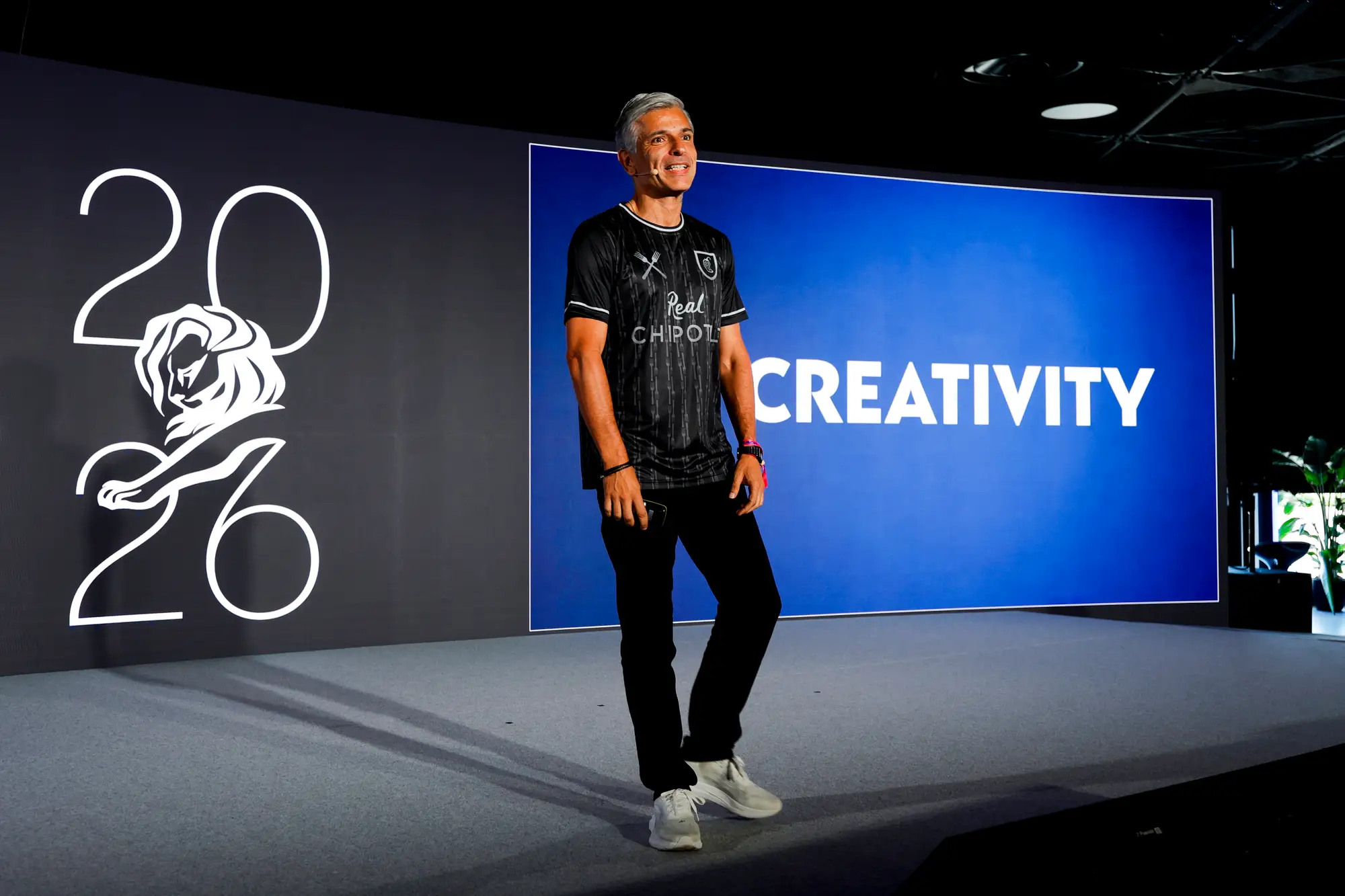
Over in the Palais, Fernando Machado, chief brand officer of Chipotle, delivered a punchy talk titled “Creativity Has to Strike Back.” He argued that the industry had become too obsessed with optimization, dashboards, and AI hacks to speed up production and lower costs.
He likened using AI to write a brief for an agency or choose a creative idea to “thinking I could play guitar well because I’m good at ‘Guitar Hero.'”
There was a ton of creativity on display at the event’s annual awards, though submissions were down 25% from last year. Cannes Lions organizers tightened the entry requirements after several of last year’s winners drew scrutiny about whether the big claims made in their case studies could be verified.
Creators muscle in
It was also the year of the Cannes creator takeover, with entire conference tracks and spaces dedicated to the craft of influencer marketing.
The clout of creators is growing as marketers look for new ways to reach consumers with content they actually want to watch. US creator ad spend is projected to reach $44 billion this year, according to an April report from the Interactive Advertising Bureau.
“There’s a completely new energy coming in,” former ad exec and founder of MakeLoveNotPorn, Cindy Gallop, told me on the Palais terrace.
“I love that they’re coming here and going, ‘We’re going to make what we want to happen,'” Gallop said. “It’s a whole new relationship with brands and agencies.”
Marketers have to be open to letting creators call the shots — though some are better at loosening the reins than others.
“It’s a collaboration, and obviously, there’s always going to be pushback,” he said. “I’m not going to get to do exactly what I want to do, and I’m not going to do exactly what the brand wants to do. It’s meeting in the middle.”
The biggest creators are taking on Hollywood and becoming media companies in their own right. Take “Insecure” star Issa Rae, whose Hoorae Media is landing deals left and right, including a podcast and the TikTok micro drama “Screen Time.”
“The creator economy has matured into a sophisticated media solution capable of building genuine cultural IP,” Becky Owen, CMO of the social agency Billion Dollar Boy, told me.
The transactional nature of the influencer marketing industry was very much on show at Cannes Lions, too.
One marketing exec was given a sharp reminder when the 10 or so creators he invited to his “friends’ dinner” left the restaurant before the €8,300 (about $9,400) check arrived.
“Influencers are not your friends,” said one of the advertising attendees who helped foot some of the bill.