
EG:Even though you have these new typefaces, what feels consistent is the general typographic eclecticism and page structure the magazine has always had. Did the grid change at all?
GB:The grid is relatively similar. We like that seven-column grid – it has a smaller column where you can put captions and that kind of thing which we use a lot in the front-of-book . We did try to standardise some elements more, like caption specs, pull quotes, and how we use rule lines. We also moved some of the page furniture from the bottom of the page – page numbers, column names, dates – up to the top, and opened up that top margin so it feels more considered, a little more spacious.
Overall, we’re using the space more intentionally. A lot of the art is more vertical now, and some of that comes from needing formats that work both online and in print. On some of the columns, we’ll start with the text, and even if the headline is what stands out, it’s not necessarily at the top. It’s more about how the elements move within the page.
EG:When I read the press release about the redesign, it described a shift toward a more synthesised relationship between digital and print. At the same time, you were quoted as saying you want the print magazine to be an “engrossing experience for the reader who wants to put down their phone and turn pages free from distraction.” It made me think about this broader cultural idea of the “dropping out of the middle” – we have online music streaming or luxury records, but no CDs; Kindles and coffee table books, but no trade paperbacks. I think multi-platform media today is experiencing a bit of the same phenomenon. When something is in print, it has to justify itself – why is this in print, what makes it worth being there? And when it’s digital, it has to really take advantage of that format and be more integrated and more continuous. I’m curious how you think about working within that tension.
GB:We’ve thought a lot about what makes magazine journalism. If something isn’t in a magazine, what makes it feel like a piece of magazine journalism? It has a lot to do with tone and voice, the style of writing, working with big ideas, and also the process itself, which is a really integrated collaboration between design, art, photography, and the edit. That produces a different kind of journalism.
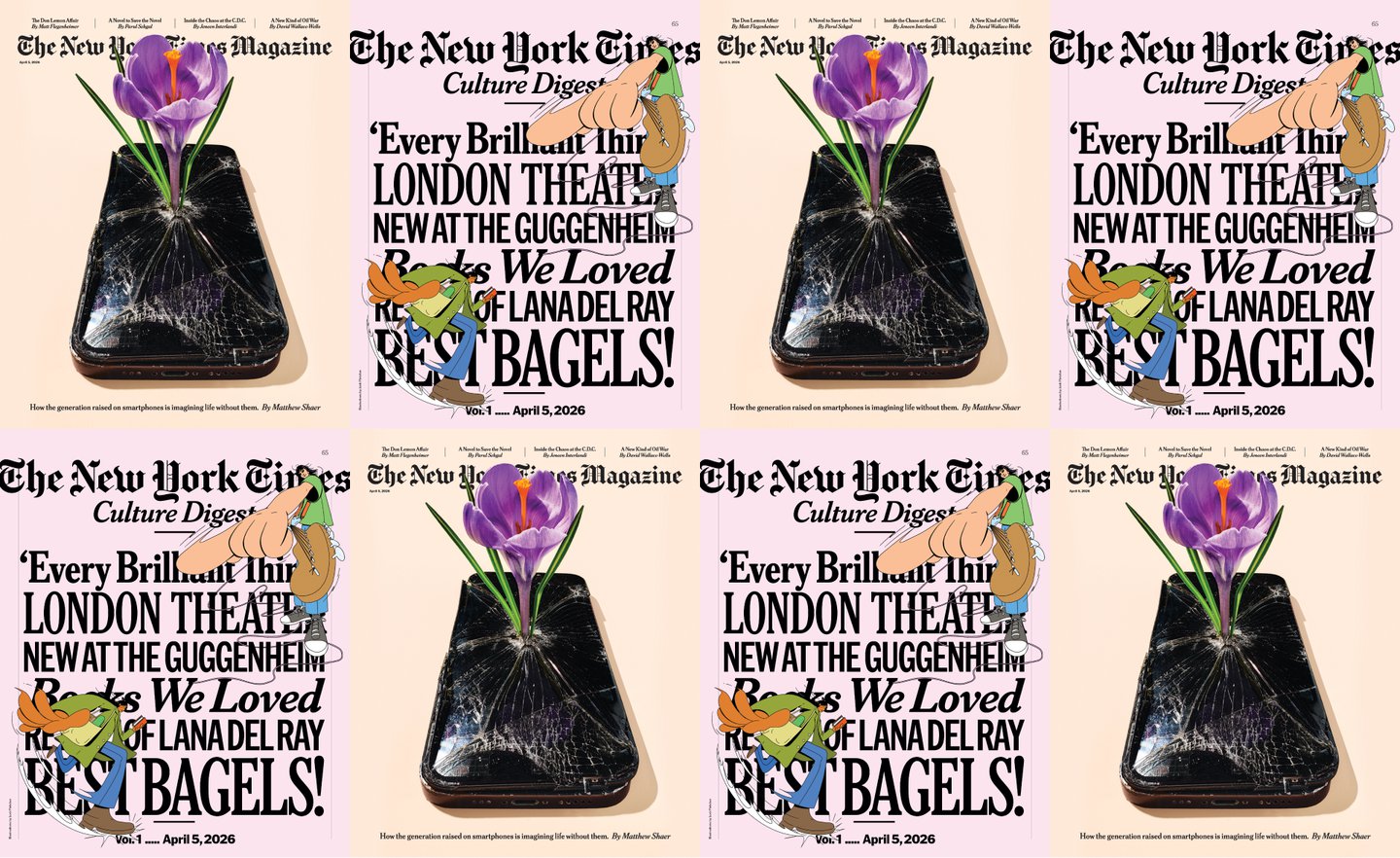
What we’ve tried to do is think about how these mediums function differently, and how the work can be the best version of itself in each one. There are things that feel particular to print. Covers, for example. Online there are so many images, it’s hard for anything to stand out, to hold in your mind, or to establish a clear hierarchy. But a cover has weight. Even when you see it online, you understand that it’s a statement – it’s giving a certain amount of space and importance to a story or an image. The same is true of photography. Online, images are often smaller and surrounded by other content. In print, there’s a kind of luxury to the experience. You get to have these really large photographs that hold your attention in a different way.