
Getting started in game development is challenging at the best of times, and it can become even more daunting when you factor in the need for promotion and marketing. There are so many games out there that it can be a constant battle to get visibility.
Hooking up with a publisher can help. These days, there’s no shortage of companies out there looking to snap up the next indie game in exchange for professional support, distribution and marketing clout. In the best cases, this can be mutually beneficial, but some see publishing as an extractive business, mining developers for riches. And one indie publisher agrees with that assessment.
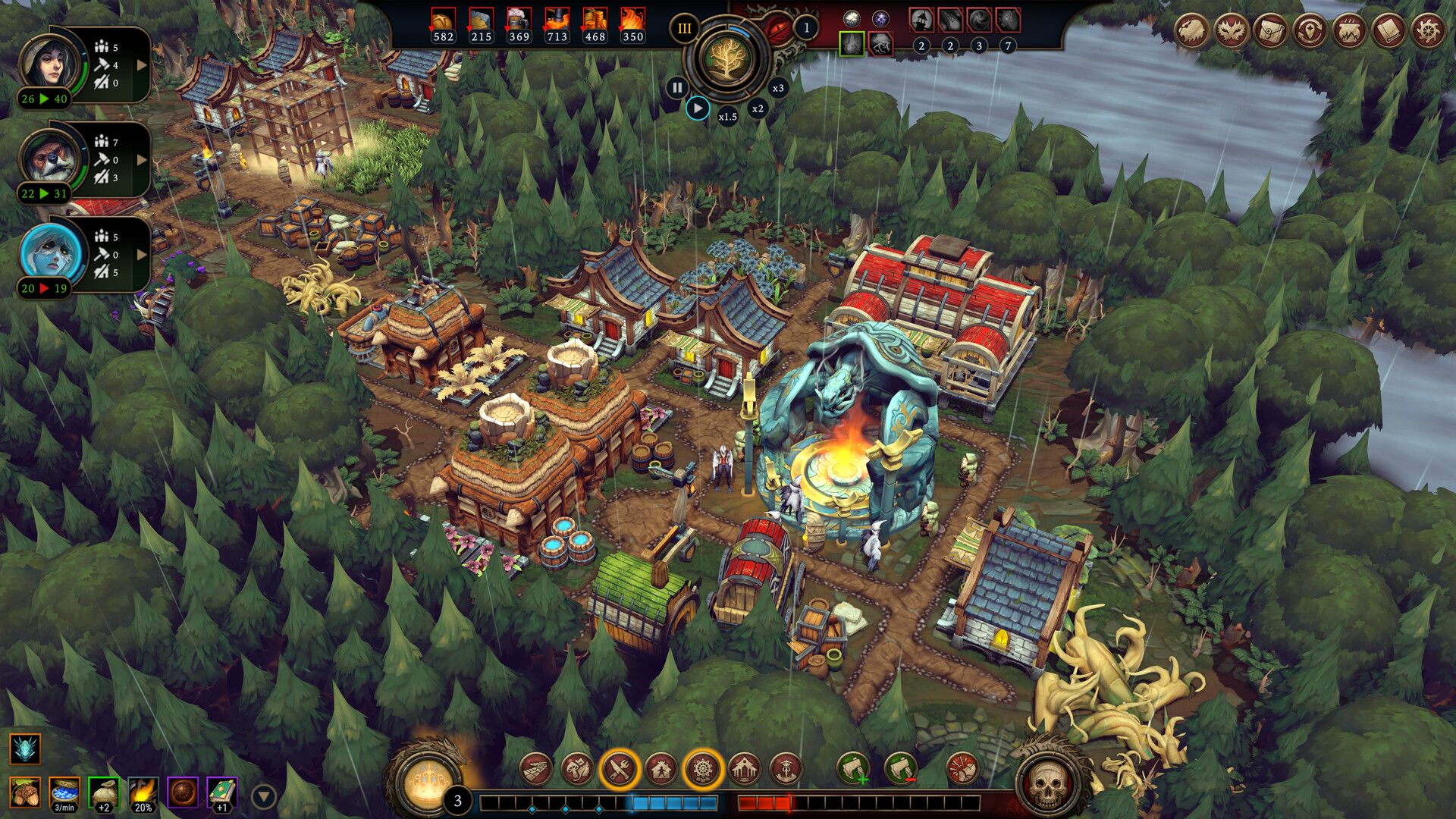
Hooded Horse published Slavic Magic’s Manor Lords (Image credit: Slavic Magic)
In conversation with our sister site PC Gamer, Hooded Horse CEO Tim Bender doesn’t hold back on his opinions of his company’s peers. Hooded Horse has had a lot of success publishing indie games like Manor Lords and Against the Storm, but Tim recommends that most indie developers steer clear of publishers completely.
You may like
“People can hate me for this if they want, but most indie publishers are not people indie developers should work with,” he says. “The vast majority of indie publishers, in their whole structure, are predatory and opportunistic.”
“They’re looking to sign a bunch of games to invest in the ones that are otherwise successful, make them bigger, ignore and drop – basically abandon – the ones that aren’t, while sucking up whatever they can through recoup,” he adds. “They’re not particularly competent either, most indie publishers; they don’t add a lot.”
He suggests that developers “can self-publish better than 95% of indie publishers” by using resources like Simon Carlos’ GameDiscoverCo or Chris Zukowski’s How to Market a Game .
“They will know their game, they’ll structure it right, they’ll actually care about it,” he says. “The vast majority of indie developers should be self publishing rather than working with indie publishers.”
For developers who are considering going with a publisher, he recommends using Gamalytic, which can provide estimates of sales, player numbers and revenue.
“You can type any publisher’s name in there, pull up their portfolio, sort by release date, and see [its release schedule]. Like, oh, this indie publisher released six games a month, and everything made about one to $2,000 and then, you know, ‘OK, I know how these people are oriented.’ Just in general, you should always research the track record of the publishers,” he says.
The comments have sparked debate, but many developers agree. “You can remove the ‘indie’ part and it remains the same. The majority of publishers are predatory and opportunistic. Because that’s how ALL shareholder-driven enterprises operate. It’s always easier to ‘steal’ success from someone else than it is to work hard to create it,” one person argues.
What do you think? Are most indie publishers purely extractive or are many committed to ethical contracts and having a positive influence on the industry?