
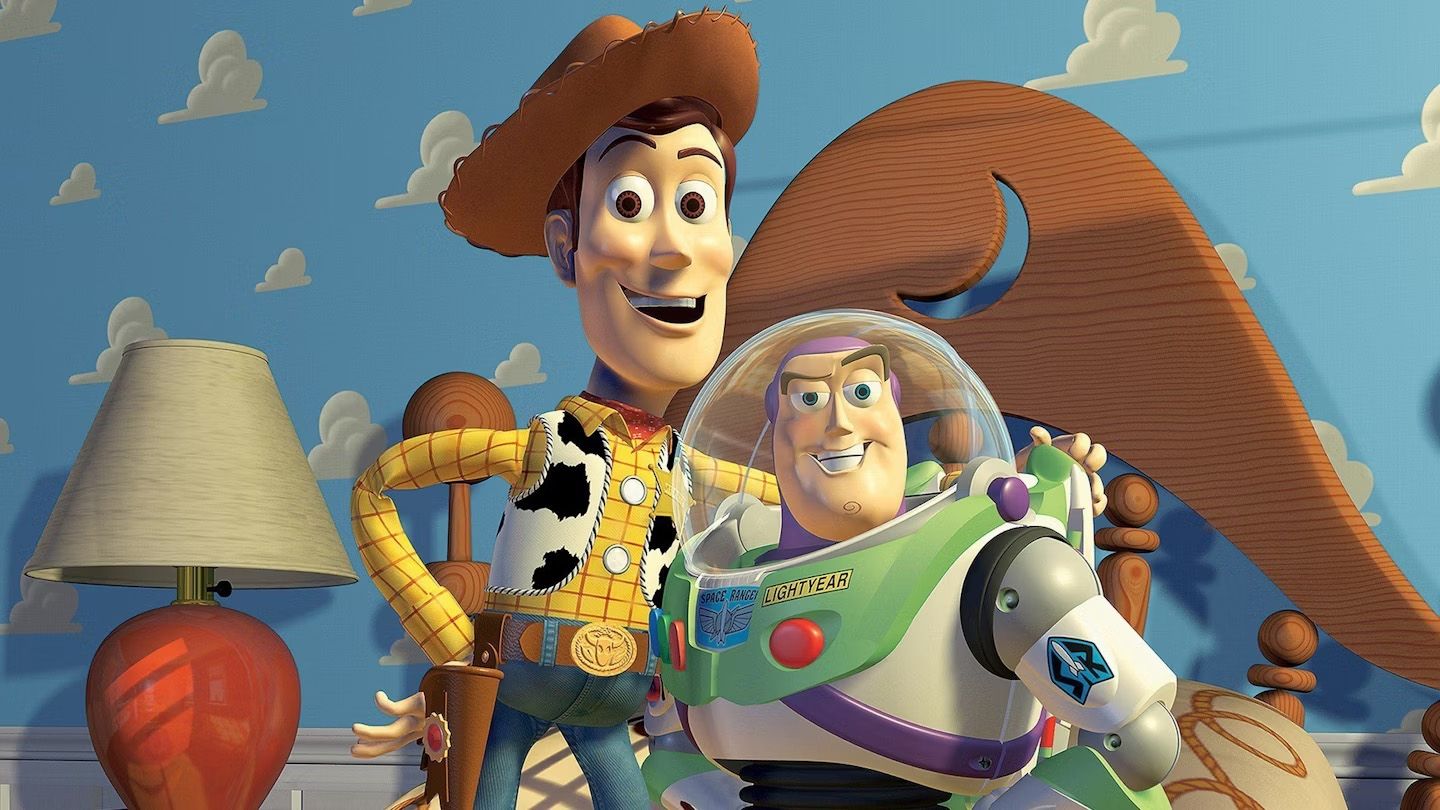

Back in 2011, former Pixar story artist Emma Coats began posting a series of tweets in which she shared lessons and guidelines she had learned while working at the animation studio. The insights became known as the Pixar rules of storytelling.
Almost 15 years later they’re still relevant not just for animators but for all kinds of creatives. Unlike the Disney principles of animation, which are more technical the Pixar rules of storytelling are universal, applying to everything from art to graphic design to branding. That’s because they’re about how humans connect with ideas and narratives.
Inside Out 2 was Pixar’s last big hit in 2024 (Image credit: Disney Pixar)
Pixar knows a thing or two about storytelling. From Toy Story to Inside Out, it’s had numerous critical and box office hits, and it’s scooped 11 Academy Awards for Best Animated Feature (see our feature on animation in 2026 for what’s coming next). Part of that success is its recognition that story trumps everything else.
You may like
Steve Jobs, Pixar’s CEO and majority shareholder until Disney bought the studio in 2006, famously said “The most powerful person in the world is the storyteller”. The so-called Pixar rules recognise that and distill timeless truths about how to engage audiences, whether that’s through a movie, a logo or UX design
In a world of endless scrolling, only stories with emotional hooks cut through noise. Pixar’s rules teach how to build those hooks. Whether you’re animating a character or designing a campaign, the principles of tension, resolution, and empathy remain constant.
Rule #4: (“Once upon a time…”) reminds us that structure matters. Whether it’s a film or a brand campaign, audiences crave a beginning, middle, and end. Rule #14: “Why must you tell this story?” forces creatives to clarify purpose – a discipline equally vital in designing a logo or writing ad copy.
Designers often think in terms of visuals, but storytelling is what elevates their work. Brands thrive when they tell stories that resonate. Rule #7 (“Come up with your ending before you figure out your middle.”) parallels brand strategy: knowing your long-term vision before crafting campaigns.
Rule #13 (“Give your characters opinions.”) applies to branding too. A brand without a clear voice or stance feels hollow and won’t generate empathy.
Conflict & Resolution: Rule #16 (“What are the stakes?”) is the essence of marketing – showing customers what problem a product solves and why it matters, while Rule #2 (Keep in mind what’s interesting to an audience, not what’s fun to do as a writer) is something many designers should keep in mind: prioritise audience over personal aesthetic taste.
The 22 Pixar rules of storytelling in full
Toy Story 5 will be released in cinemas in June 2026 (Image credit: Disney/Pixar)
- People admire a character for trying more than for their successes.
- Keep in mind what’s interesting to an audience, not what’s fun to do as a writer. They can be very different.
- Try to write around a theme but know that you won’t see what the story is actually about until you’re at the end of it. Now rewrite.
- Once upon a time there was ___. Every day, ___. One day ___. Because of that, ___. Because of that, ___. Until finally ___.
- Simplify. Focus. Combine characters. Hop over detours. You’ll feel like you’re losing valuable stuff but it sets you free.
- Consider what is your character is good at and comfortable with and throw the polar opposite at them. Challenge them. How do they deal with it?
- Come up with your ending before you figure out your middle. Endings are hard, get yours working up front.
- Finish your story, let go even if it’s not perfect. In an ideal world you have both, but move on. Do better next time.
- Make a list of what WOULDN’T happen next when you’re stuck. Lots of times the material to get you unstuck will show up.
- Pull apart the stories you like. What you like in them is a part of you: recognise it before you can use it.
- Put it on paper to start fixing it. If a perfect idea stays in your head, you’ll never share it with anyone.
- Discount the first thing that comes to mind. And the second, third, fourth and fifth – get the obvious out of the way.
- Give your characters opinions. Passive/malleable might seem likable to you as you write, but it’s poison to the audience.
- Decide why you must tell THIS story? What’s the belief burning within you that your story feeds off? That’s the heart of it.
- Ask how you would feel if you were your character in a situation. Honesty lends credibility to unbelievable situations.
- Ask what the stakes are. Give us reason to root for the character. What happens if they don’t succeed?
- Don’t worry that work is ever wasted. If it’s not working, let go and move on – it’ll come back around to be useful later.
- Know yourself and the difference between doing your best and fussing. Story is testing, not refining.
- Use coincidences to get characters into trouble, but not to get them out of it. That’s cheating.
- Take the building blocks of a movie you dislike. How do you rearrange them into what you DO like?
- Identify with your situation/characters. What would make YOU act that way?
- Know the essence of your story: the most economical telling of it. This will help you build it out.
Pixar’s 22 Rules of Storytelling endure because they’re human rules, not industry or technical rules. They remind creatives across disciplines that audiences don’t just consume content, they seek connection, relatability and emotional truth.
Whether you’re sketching a logo, crafting a marketing strategy, or animating a film, these principles can help ensure that work resonates and inspires.