
Most artists don’t even realise they struggle with colour mixing – they assume they’re struggling with themselves. When their mixes turn muddy or dull, the instinctive thought is ‘I’m just not good enough yet’. So they keep practicing, watching tutorials, and winging it – hoping next time will magically work.
But here’s the truth: muddy colours aren’t a talent problem and they’re not to do with having the best oil paints or any other medium. They’re an education problem.
As a painter and colour educator, I’ve seen thousands of artists blame ‘lack of talent’ for what’s really a simple gap – no one ever taught them colour bias or how pigments interact. And beneath that technical gap sits an emotional one, because colour isn’t just science. It’s confidence, trust, control, fear, and letting go. The way we mix says everything about how we approach the creative process – and how we feel about the results.
You may like
01. The myth that colour should be intuitive
Ask most painters where they learned colour mixing, and they’ll usually shrug: “I don’t know – I’ve tried to just figure it out as I go.”
Very few artists are taught how colour (i.e. their pigments) actually works – and because colour is the foundation of painting, this is a huge problem. Whether you paint with oil, gouache, acrylic, or watercolour, the same principles apply – if you don’t understand your pigments, you’re flying blind.
Even I – a lifelong painter who studied studio art in college – was never taught colour theory. It took years of muddy, unsellable art before I finally sat down to figure it out myself. Once I did, I got my work into a gallery the next year.
Most of us learn colour as kids: red + blue = purple. Then we quit art and come back years later, applying child-level colour rules to adult aesthetics. Suddenly, we don’t need any purple – we need that purple. When we can’t achieve it, frustration creeps in and it shows in our art.
So it’s no wonder muddy colours make artists feel talentless. If colour is supposed to be intuitive and ‘basic’, struggling with it feels shameful.
But colour mixing isn’t intuitive. It’s learnable. And the idea that you should ‘just get it’ is one of the biggest myths holding artists back.
You may like
(Image credit: Juliene Sinclair)
02. Surface-level fixes don’t solve muddy colours
When mixes turn to mud, most artists reach for coping strategies like:
- practising non-colour related techniques
- copying another artist’s palette
- saving colour-recipe reels
- avoiding vivid colours
- relying on pre-mixed tubes
- giving up or switching mediums (only to have the same problem)
These are the art-world equivalent of self-help hacks – quick fixes that offer relief, instead of solving the underlying issue.
Muddy colours are the same: artists throw surface solutions at a deeper structural problem. They’ve never actually been taught colour in a way that feels simple and repeatable – so sadly they just stay on the poetic ‘struggling artist’ bus.
03. The real cause of muddy colour
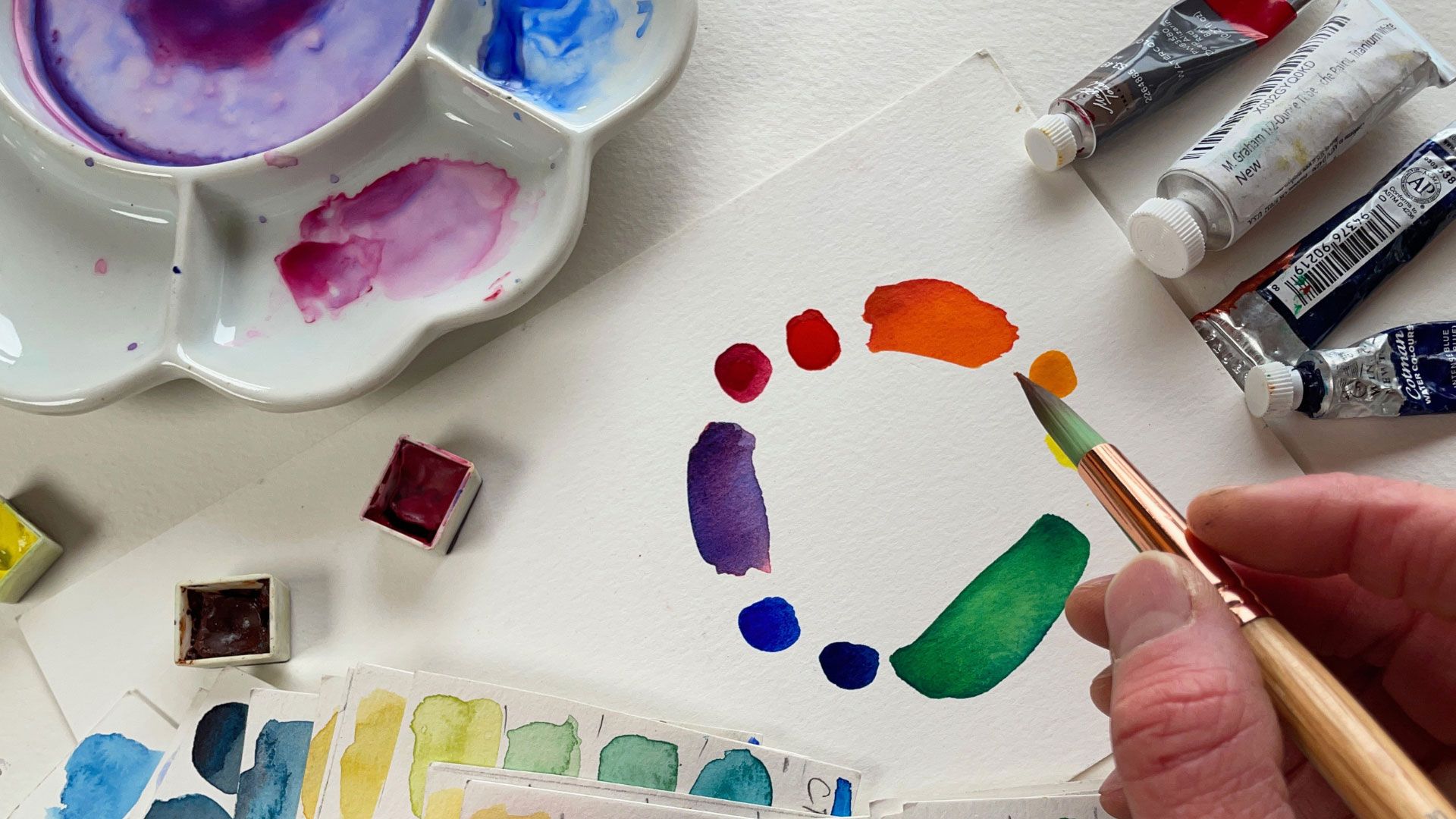
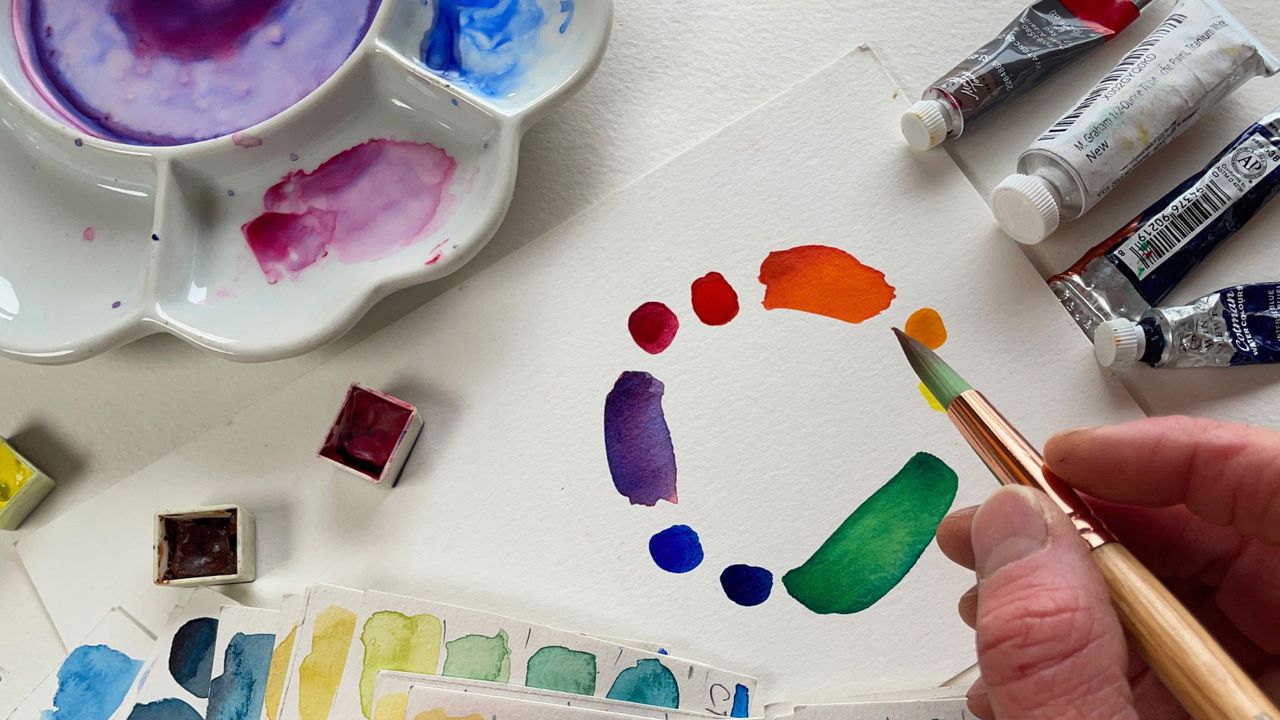
Here is one critical bit you’ve likely been missing: every pigment leans warm or cool – a subtlety called colour bias. Maybe you’ve heard of it or maybe you’ve ignored it. For example:
Warm red + warm yellow = vibrant orange
Cool red + cool yellow = dull orange (which looks muddy in the wrong context)
Mix the wrong biases, and you get mud, every time.
Because most artists don’t even realise colour bias exists – or that it matters – they blame their general art skills instead of their poor colour knowledge.
The truth is simpler: You can’t mix vibrant colours consistently if you don’t understand how your colours work.
It’s not intuition you’re missing – it’s information.
04. The emotional side: why artists avoid learning colour
If learning colour is so transformative, why do so many artists avoid it?
Because colour theory has a branding problem.
It sounds academic, intimidating, even boring. The stereotypical painter notoriously claims they’re ‘bad at science’, and so naturally wants to avoid anything with ‘theory’ in it.
Painters crave freedom – not formulas – but what they don’t realise is that colour mixing is based on principles, not formulas. Without a bit of upfront structure, frustration sets in.
Without the right knowledge, they cannot embrace that artistic freedom – and confidence – they so seek. And the dull, mediocre art they’re making? Well, it takes forever to make because they struggle to use the main tool with which they’re building their painting.
Colour isn’t just technical – it’s emotional. It mirrors how we handle creativity itself: restriction versus freedom, trust versus fear, confidence versus doubt.
That’s why muddy colour is never just about pigment. It prevents you from feeling like a ‘real’ artist – and that quiet pain stops many painters from growing.
05. What happens when artists finally learn colour
(Image credit: Juliene Sinclair)
When painters finally grasp how to apply colour theory to their mixing, magic unfolds:
- mixes become intentional
- self-doubt fades
- brushstrokes loosen
- a unique style emerges
- paintings feel confident and expressive
Learning colour is both a technical unlock and an emotional one. Once artists realise colour is learnable, not mystical, they stop blaming – and start trusting – themselves.
That feeling changes everything and their paintings begin to sing.
06. A new way forward: colour as creative inner work
Show me a painter who avoids understanding colour, and I’ll show you someone whose artistic dreams stay out of reach.
Understanding colour theory isn’t optional – it’s the key that catapults artists into creative freedom.
Real colour mastery, like real inner work, comes from going deeper – building trust through knowledge rather than guessing.
When artists finally engage with colour theory, they don’t just mix colours better – they make more engaging art, experience more flow, enjoy better responses to their work, and finally are able to feel like the real artist they long to be.
So if you struggle with muddy colours – you’re not a failure – you’re simply being invited to go deeper.
Find out more with our guide to creating your own colour chart.